
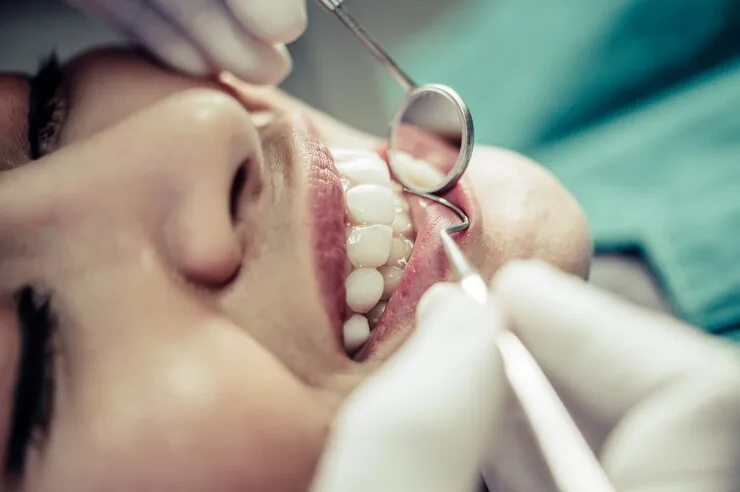
Gum aesthetics includes approaches aimed at improving the appearance of the gums and their harmony with the teeth. Gingivectomy and gingivoplasty are among the most commonly considered procedures in this field.
Gingivectomy refers to the removal of excess gum tissue
Gingivoplasty aims to reshape the gum tissue for a more balanced appearance
These procedures are planned to create a gum level and form that harmonize with the teeth.
Why Is Gum Aesthetics Considered?
The appearance of the gums plays an important role in smile aesthetics. In some cases, the gum level or form may fall outside the desired aesthetic balance.
Excessive visibility of gums (gummy smile)
Teeth appearing shorter than they are
Asymmetry in gum levels
Irregular gum contours
These conditions may require a reassessment of tooth–gum harmony.
What Is Gingivectomy?
Gingivectomy is the controlled removal of excess or unhealthy gum tissue. This procedure helps regulate the gum level.
Excess gum tissue is reduced
More of the tooth surface becomes visible
The gum line is balanced
This procedure is evaluated both functionally and aesthetically.
What Is Gingivoplasty?
Gingivoplasty refers to reshaping the gum tissue. The goal is to create a more natural and harmonious gum contour.
Gum margins are reshaped
A contour compatible with the teeth is created
Symmetry and aesthetic balance are achieved
This approach is especially considered in cases affecting gum appearance during smiling.
How Is Gum Aesthetics Planned?
Gum aesthetic procedures are planned individually. Tooth shape, gum levels, and facial structure are evaluated together.
During the planning process:
Gum levels are analyzed
Tooth size and proportions are examined
The smile line is evaluated
Based on these analyses, the appropriate approach is determined.
What Should Be Considered After the Procedure?
After gum aesthetic procedures, certain precautions help ensure proper healing.
Maintaining good oral hygiene
Avoiding hard and irritating foods
Protecting the treated area
Attending regular check-ups
During this process, the gum tissue heals over time and adapts to its new form.
Frequently Asked Questions
Is gum aesthetics only for cosmetic purposes?
It is generally aesthetic-focused but may also provide functional benefits in some cases.
Are gingivectomy and gingivoplasty the same?
No. Gingivectomy involves tissue removal, while gingivoplasty involves reshaping.
Are the results permanent?
It may vary depending on gum structure and oral care habits.
Is there sensitivity after the procedure?
In some cases, temporary sensitivity may occur.