
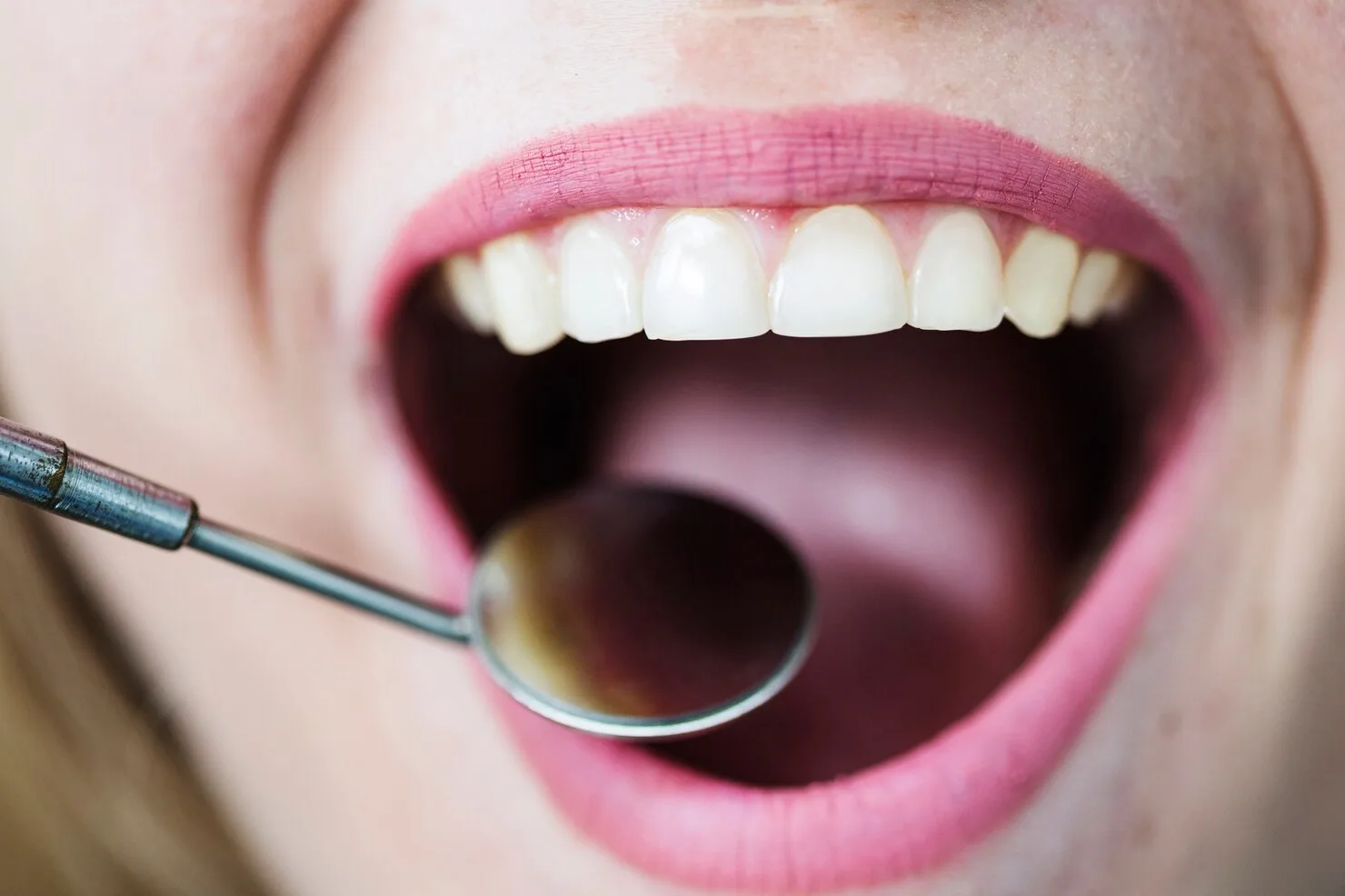
Gum recession is the condition in which the gum tissue gradually pulls back, exposing more of the tooth root. As a result, the root surface may become visible, which can be noticeable both in terms of sensitivity and aesthetics.
Gum tissue is an important structure that surrounds and protects the teeth. When this tissue recedes, the tooth may become more sensitive to external factors.
What Causes Gum Recession?
Gum recession can develop due to various reasons, and often multiple factors play a role.
Gum diseases
Brushing teeth too hard or with incorrect technique
Teeth clenching and grinding (bruxism)
Crowded or misaligned teeth
Poor oral hygiene
These factors may cause the gradual loss of gum tissue.
What Are the Symptoms of Gum Recession?
Gum recession usually progresses slowly and may not be noticed at first. However, some signs may indicate its presence.
Teeth appearing longer than usual
Sensitivity to hot and cold
Exposure of the tooth root surface
Irregular gum line
These symptoms may indicate changes in gum tissue.
How Is Gum Recession Evaluated?
Gum recession is evaluated not only by appearance but also by considering the underlying causes. Therefore, a detailed intraoral examination is important.
During the evaluation:
Gum levels are measured
Gum health is examined
Tooth position and contact points are evaluated
These analyses help determine the appropriate approach.
What Are the Treatment Options for Gum Recession?
The treatment approach varies depending on the cause and severity of the recession. The goal is to control the current condition and prevent progression.
Improving oral hygiene habits
Correcting tooth brushing technique
Applications that support gum health
Surgical approaches when necessary
Planning may differ for each individual.
What Should Be Considered in Daily Life?
Daily habits play an important role in managing gum recession.
Brushing teeth with gentle movements
Avoiding highly abrasive practices
Being aware of teeth clenching habits
Attending regular dental check-ups
These habits help protect gum tissue.
Can Gum Recession Progress?
Gum recession may progress if underlying causes are not controlled. Therefore, early detection and evaluation are important.
With regular follow-up, it may be possible to keep the process under control.
Frequently Asked Questions
Can gum recession heal on its own?
It usually does not reverse on its own, but progression can be controlled.
Why does sensitivity increase?
Exposure of the tooth root surface may cause sensitivity.
Does every case require surgery?
No. Treatment depends on the severity of the condition.
Can gum recession be prevented?
The risk can be reduced with proper oral care habits.