
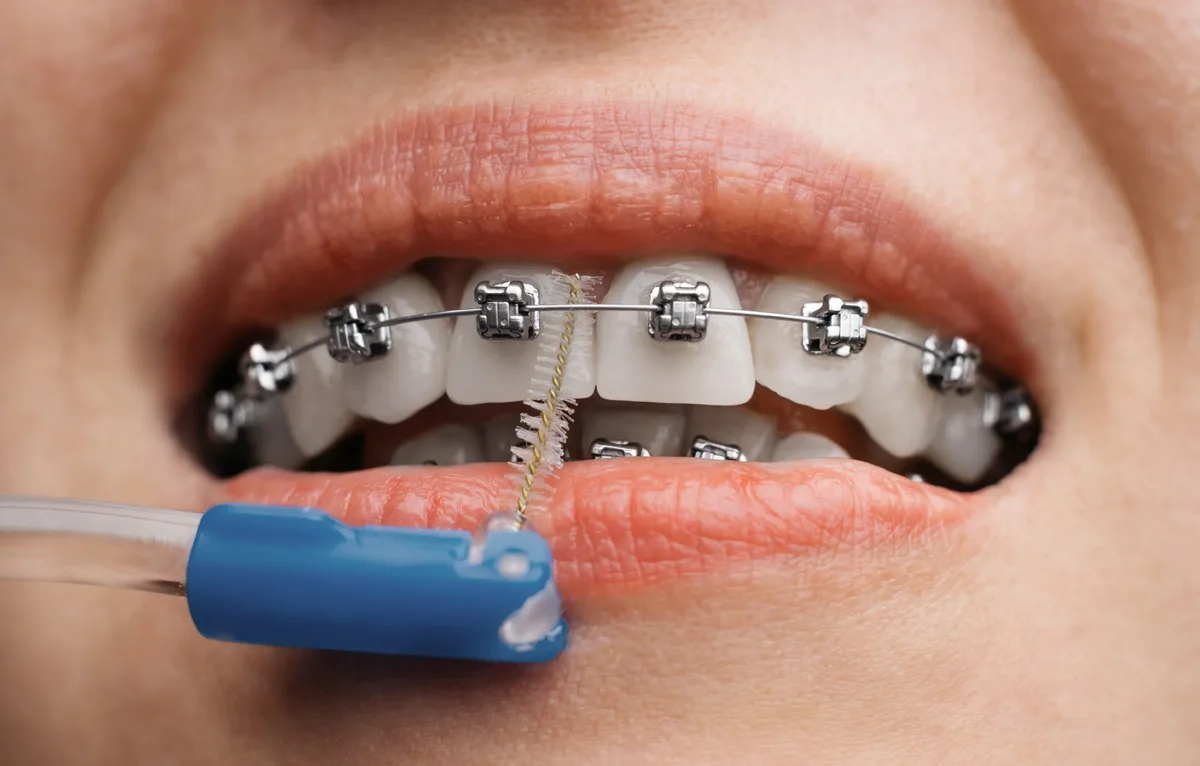
The duration of orthodontic treatment can vary depending on the initial condition of the teeth, jaw structure, and the planned treatment approach. Since this process is based on the controlled and gradual movement of teeth, it requires a certain amount of time.
Because each individual’s oral structure and orthodontic needs are different, treatment duration is planned on a personalized basis. Even in two individuals with the same condition, the duration may differ.
Factors Affecting Treatment Duration
The duration of orthodontic treatment depends on multiple factors, all of which can directly influence how quickly the process progresses. These include the severity of dental crowding, the condition of the jaw structure, the presence of bite (occlusion) disorders, the type of treatment applied, the biological response of teeth to movement, and the individual’s compliance with using orthodontic appliances as recommended.
Each of these factors plays an important role in determining both the treatment plan and its duration.
Why Does the Treatment Process Take Time?
Orthodontic treatment is based on moving teeth within the bone, and this movement must occur in a controlled manner rather than rapidly.
The surrounding bone tissue needs time to adapt to the movement of the teeth. Sudden or forceful movements are not suitable for the teeth and supporting tissues. Gradual progression helps achieve more stable and balanced results.
For this reason, it is natural for the treatment process to be spread over a certain period.
What Is the Average Duration?
Orthodontic treatments can generally range from a few months to several years.
In mild cases, the duration may be shorter. In moderate cases, the process may take longer. In more complex situations, a longer treatment plan may be required.
However, these are general timeframes, and the exact duration varies for each individual.
Does the Treatment Type Affect Duration?
The progression of orthodontic treatment may vary depending on the method used.
Clear aligner treatments follow a structured, step-by-step plan. Fixed braces work by applying continuous force to move the teeth. Functional appliances depend on the individual’s growth and development stage.
However, regardless of the method, the most determining factor is the existing condition of the teeth and jaw.
Habits That Influence the Process
Certain habits play a crucial role in ensuring that orthodontic treatment progresses as planned.
Regular use of orthodontic appliances, attending scheduled check-ups, maintaining proper oral hygiene, and avoiding habits that may damage the teeth all contribute to staying on track with the treatment timeline.
These factors help ensure that the treatment is completed within the expected timeframe.
Can the Treatment Duration Be Shortened?
Orthodontic treatment duration is not entirely controllable. However, some factors can help the process progress more smoothly and without delays.
Attending regular follow-up appointments, using appliances as recommended, and maintaining good oral health can support a more efficient treatment process.
These elements contribute to preventing unnecessary delays.
Does Treatment Duration Vary by Age?
The duration of orthodontic treatment may vary depending on age.
During the growth period, tooth movement may occur more quickly. In adults, the process tends to progress in a more controlled manner.
However, in all age groups, the treatment plan is determined individually.