
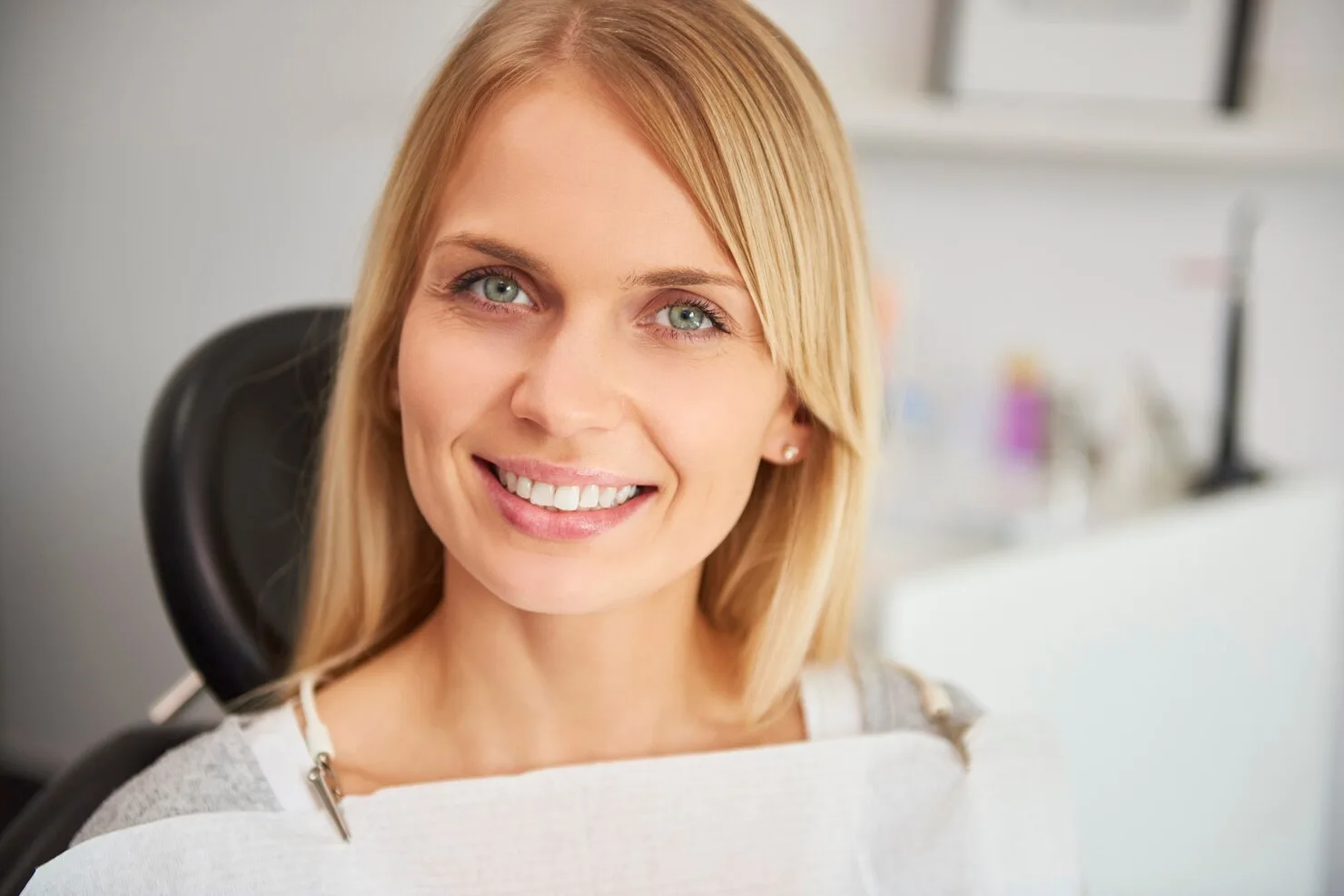
Teeth whitening refers to procedures aimed at reducing discoloration that occurs on the surface or within the internal structure of the teeth. Over time, foods and beverages, smoking, and age-related changes may cause teeth to darken.
In-office and at-home teeth whitening represent two different approaches based on the application method. In both methods, the goal is to achieve a lighter and more balanced tooth color.
Why Do Teeth Change Color?
Changes in tooth color may occur due to various reasons.
Frequent consumption of staining beverages such as tea and coffee
Smoking
Age-related changes in tooth structure
Accumulation of plaque and stains on the tooth surface
In some cases, discoloration originating from the internal structure of the tooth
These factors may cause teeth to appear darker over time.
What Is In-Office Teeth Whitening?
In-office teeth whitening is a method applied in a clinical setting. The procedure is carried out in a controlled manner, and the duration is generally shorter.
In this method, whitening agents applied to the tooth surface remain in contact with the teeth for a certain period. The duration and application method are planned according to the current condition of the teeth.
What Is At-Home Teeth Whitening?
At-home teeth whitening is a method that can be applied by the individual in their own environment. In this method, custom trays and whitening agents are used at specific intervals.
The process usually takes place over a longer period and requires regular use. The duration and frequency are determined individually.
Differences Between In-Office and At-Home Whitening
Although both methods aim to lighten tooth color, they differ in terms of application and duration.
In-office applications can be completed in a shorter time
At-home applications progress gradually over a longer period
The application environment and level of control differ
The choice may vary depending on individual needs
These differences are considered when determining the most suitable approach.
What Should Be Considered After Teeth Whitening?
After teeth whitening, certain habits become important to maintain the achieved color.
Pay attention to the consumption of staining foods and beverages
Maintain regular oral hygiene
Be cautious if sensitivity occurs with very hot or cold foods
Do not neglect regular dental check-ups
These precautions may help preserve the achieved color for a longer time.
Is Teeth Whitening Suitable for Everyone?
Teeth whitening procedures are not planned in the same way for every individual. Tooth structure, current discoloration, and overall oral health are evaluated together.
In some cases, different approaches may be required. Therefore, a detailed intraoral evaluation before the procedure is important.
Frequently Asked Questions
Is teeth whitening permanent?
Discoloration may occur again over time. Daily habits can affect this process.
Does sensitivity occur after whitening?
Some individuals may experience temporary sensitivity, which usually decreases in a short time.
Is at-home whitening effective?
With regular and proper use, a lighter tooth color can be achieved.
Can every tooth be whitened?
Results may vary depending on the cause of discoloration.