
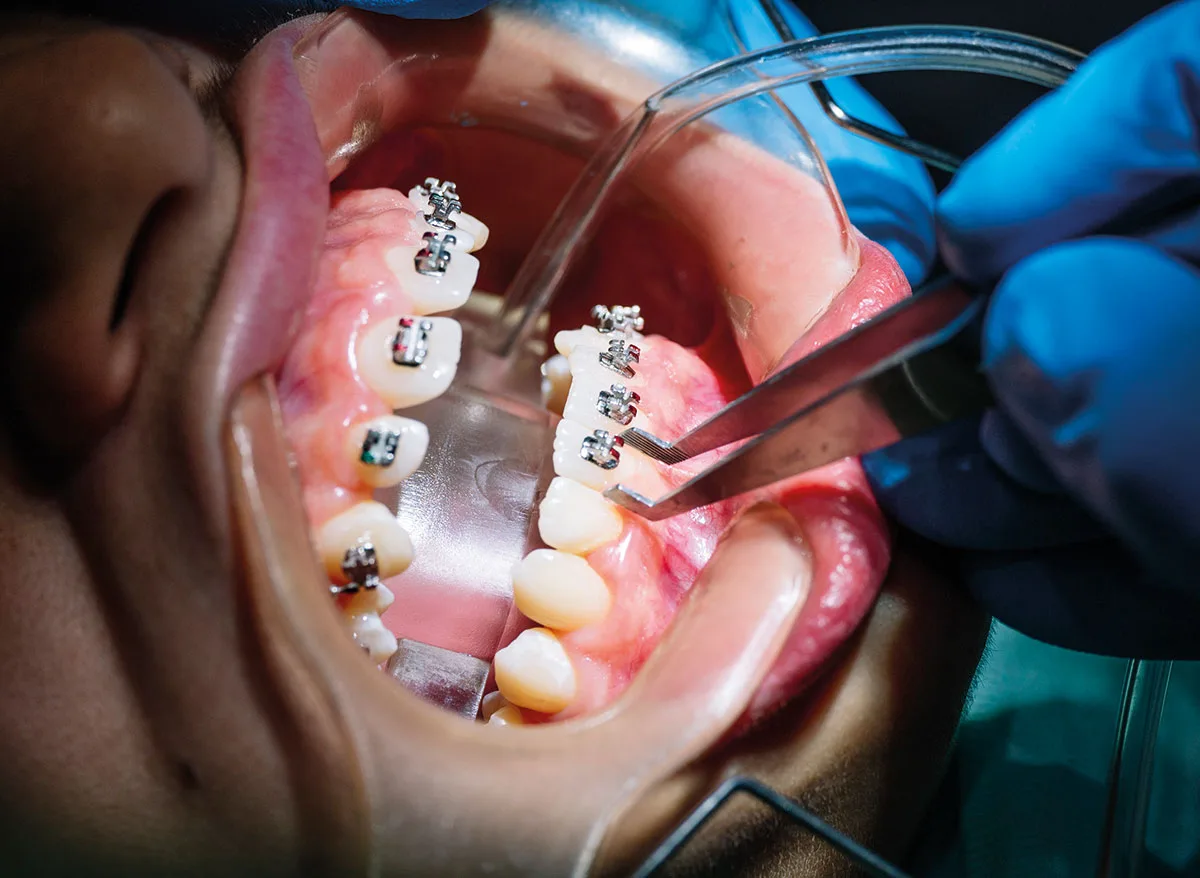
Orthodontic treatment is an approach that can be evaluated across different age groups to align teeth and regulate jaw relationships. It can be applied over a wide age range, from childhood to adulthood.
However, each individual’s orthodontic needs are different, and the necessity of treatment is evaluated on a case-by-case basis. In some individuals, monitoring alone may be sufficient, while in others, active treatment may be planned.
In Which Cases Is Orthodontic Treatment Needed?
Orthodontic treatment is considered in certain dental and jaw-related conditions, which may progress over time. These include crowded teeth, gaps between teeth, bite (occlusion) disorders, jaw discrepancies, and teeth erupting in incorrect positions.
These conditions can affect not only aesthetic appearance but also functions such as chewing and speech.
Why Are Orthodontic Problems Important?
Misaligned teeth are not only an aesthetic concern; they can also impact oral health. Difficulty in cleaning teeth may occur, and the risk of tooth decay and gum disease may increase. In addition, chewing function can be affected, and the load on the jaw joint may change.
For this reason, orthodontic evaluation is important not only for aesthetics but also for overall oral health.
At What Ages Can It Be Applied?
Orthodontic treatment can be applied at different ages, and each period has its own advantages. During childhood, it may be used to guide growth and development. In adolescence, active orthodontic treatment is commonly applied. In adulthood, it focuses on teeth alignment and bite correction.
Evaluations during the growth period may help identify certain problems early. However, orthodontic treatment is also possible in adults.
The Importance of Early Evaluation
Orthodontic check-ups during childhood help determine whether dental and jaw development is progressing properly. The development process can be monitored, potential problems can be detected early, and guidance approaches can be planned when necessary.
This helps prevent more significant problems that may occur in the future.
Is It Suitable for Everyone?
Not every individual may be suitable for orthodontic treatment, and active treatment may not be necessary in all cases. Dental and jaw structure are evaluated, overall oral health is assessed, and gum condition is considered. Planning is made according to individual needs.
Therefore, the treatment decision is determined individually.
How Is the Treatment Decision Made?
The decision for orthodontic treatment is made after a detailed evaluation process. The position of the teeth is analyzed, the jaw structure is examined, the bite relationship is evaluated, and the individual’s expectations are taken into account.
Based on these analyses, the most appropriate approach is determined.