
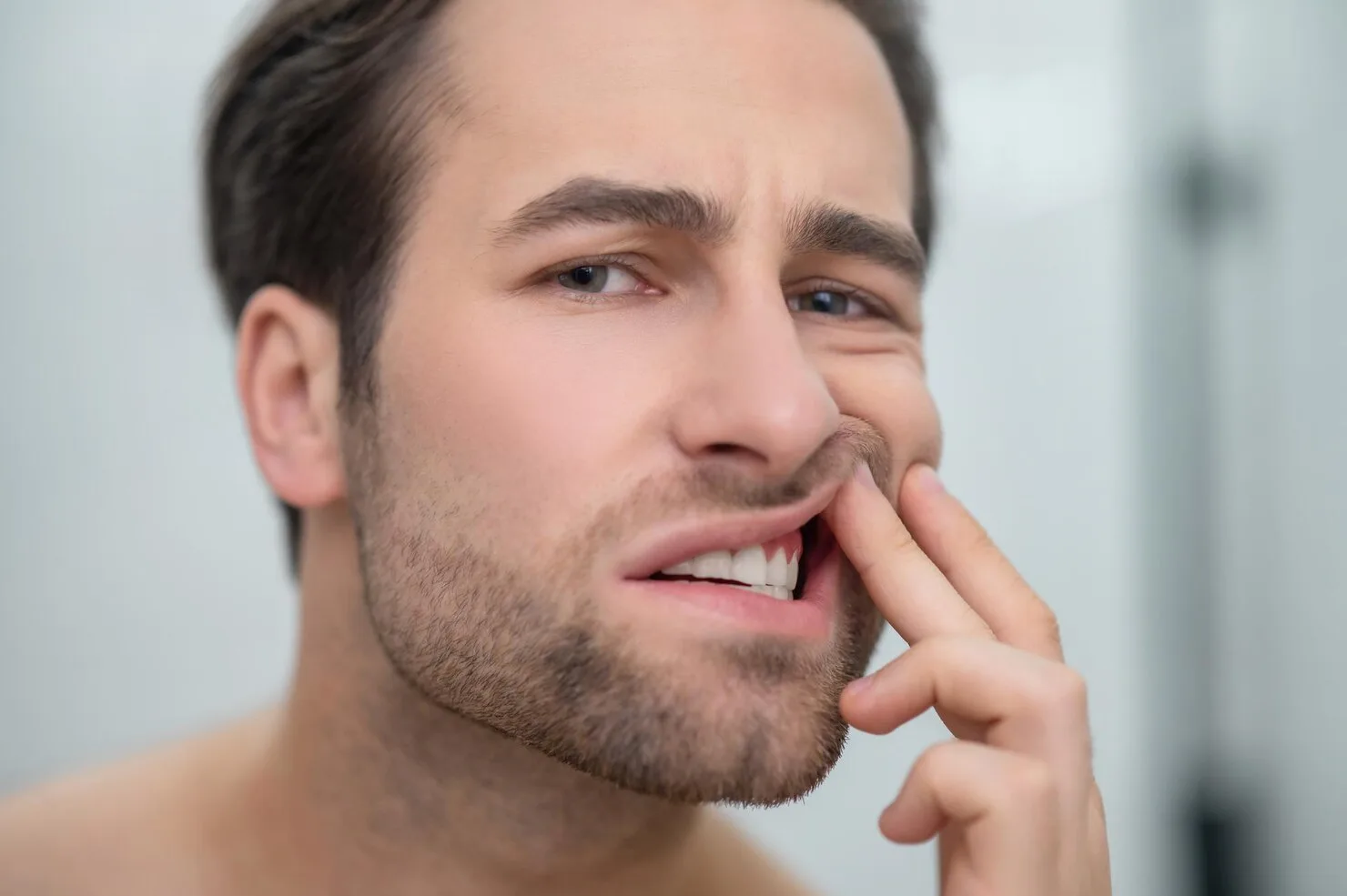
Teeth grinding, medically known as bruxism, is the involuntary clenching or grinding of teeth. It most commonly occurs during sleep without being noticed, although it can also be seen during the day in some individuals.
Over time, bruxism may lead to tooth wear, tension in the jaw muscles, and various oral complaints.
What Causes Bruxism?
Bruxism may not have a single cause. Multiple factors can contribute together.
Increased stress and anxiety levels
Changes in sleep patterns
Imbalances in bite (occlusion) relationships
Overactivity of jaw muscles
These factors may cause the jaw muscles to function involuntarily.
What Are the Symptoms of Bruxism?
Bruxism is often not noticed by the individual. However, certain signs may indicate its presence.
A feeling of fatigue in the jaw or facial muscles in the morning
Tooth wear or flattening
Sensitivity in the jaw joint
Pain in the head and neck area
Awareness of grinding sounds during sleep
If these symptoms occur regularly, evaluation is important.
How Is Bruxism Evaluated?
Bruxism is assessed by evaluating oral findings along with the individual’s symptoms.
During the evaluation:
Wear on tooth surfaces is examined
Jaw muscles and joint condition are assessed
Bite relationships are analyzed
These analyses help determine the extent of the problem.
How Is Bruxism Treatment Planned?
The approach to bruxism focuses on managing underlying causes. The treatment plan may vary for each individual.
Approaches to protect jaw muscles
Methods to help prevent tooth wear
Stress management and habit awareness
Use of intraoral protective appliances when necessary
These methods help protect both teeth and jaw structures.
What Should Be Considered in Daily Life?
Daily habits play an important role in managing bruxism.
Ensuring that teeth are not clenched during the day
Avoiding hard foods
Reducing habits that strain jaw muscles
Maintaining proper sleep patterns
These habits may help relax the jaw muscles.
Can Bruxism Progress?
If not managed, bruxism may lead to increased tooth wear and jaw joint problems over time. Therefore, early recognition and monitoring are important.
Frequently Asked Questions
Does teeth grinding occur only at night?
No. Although more common at night, it can also occur during the day.
Does bruxism damage teeth?
Over time, it may cause wear on tooth surfaces.
Does stress affect bruxism?
Yes. Stress can be one of the triggering factors.
Can it completely go away?
It may vary depending on the individual and underlying causes.