
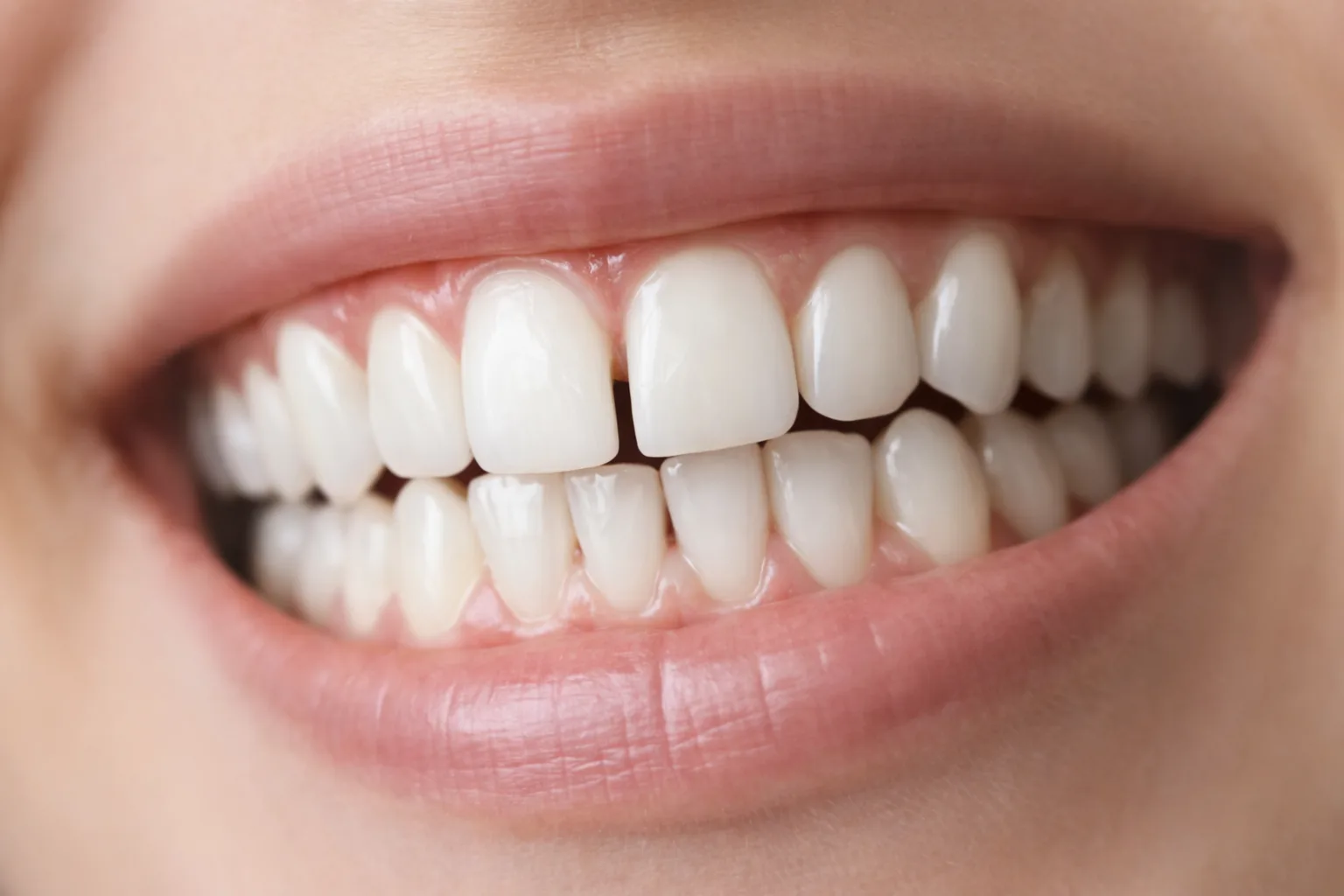
Diastema, commonly known as gapped teeth, refers to a condition where there is an increased space between two teeth. It is most frequently seen between the front teeth and can be noticeable from an aesthetic perspective. However, it is not limited to appearance alone and may also affect the functional relationship of the teeth in some cases.
Why Does Diastema Occur?
Gaps between teeth can develop due to various factors.
These may include teeth being smaller than the jaw structure, the influence of the upper lip frenulum, missing teeth or eruption problems, gum diseases, and genetic factors.
Such conditions can lead to either temporary or permanent spacing between teeth.
What Symptoms Can Be Seen?
Diastema is usually visually noticeable, but it may also cause additional effects.
These can include visible gaps between teeth, changes in the pronunciation of certain sounds during speech, and discomfort due to food accumulation.
Symptoms may vary from person to person.
How Is Diastema Evaluated?
Before planning treatment, the cause and size of the gap are carefully analyzed.
The position of the teeth is evaluated, the width of the gap is measured, gum and supporting tissues are assessed, and the jaw structure is examined.
These evaluations help determine the most suitable approach.
How Is Diastema Treated?
Closing gaps between teeth involves approaches aimed at repositioning the teeth or improving aesthetics.
Orthodontic treatments to move teeth, aesthetic restorative procedures, or combined approaches may be considered.
The chosen method depends on the cause of the gap and individual needs.
What Should Be Considered in Daily Life?
Oral care habits are important for individuals with diastema.
Regular brushing, proper interdental cleaning, maintaining oral hygiene, and attending routine dental check-ups all help protect dental and gum health.
Does Every Diastema Require Treatment?
Not every gap requires treatment. Some spaces may not cause aesthetic or functional concerns.
The cause of the gap is evaluated, functional effects are assessed, and individual expectations are taken into account.
Therefore, the treatment decision is made on a personalized basis.
Frequently Asked Questions
Can gaps between teeth close on their own?
In some cases, changes may occur during development, but most gaps tend to be permanent.
Does diastema affect speech?
In some individuals, it may influence the pronunciation of certain sounds.
Does every gap require orthodontic treatment?
No, different approaches may be considered depending on the situation.
How long does treatment take?
The duration varies depending on the method used and the condition of the gap