
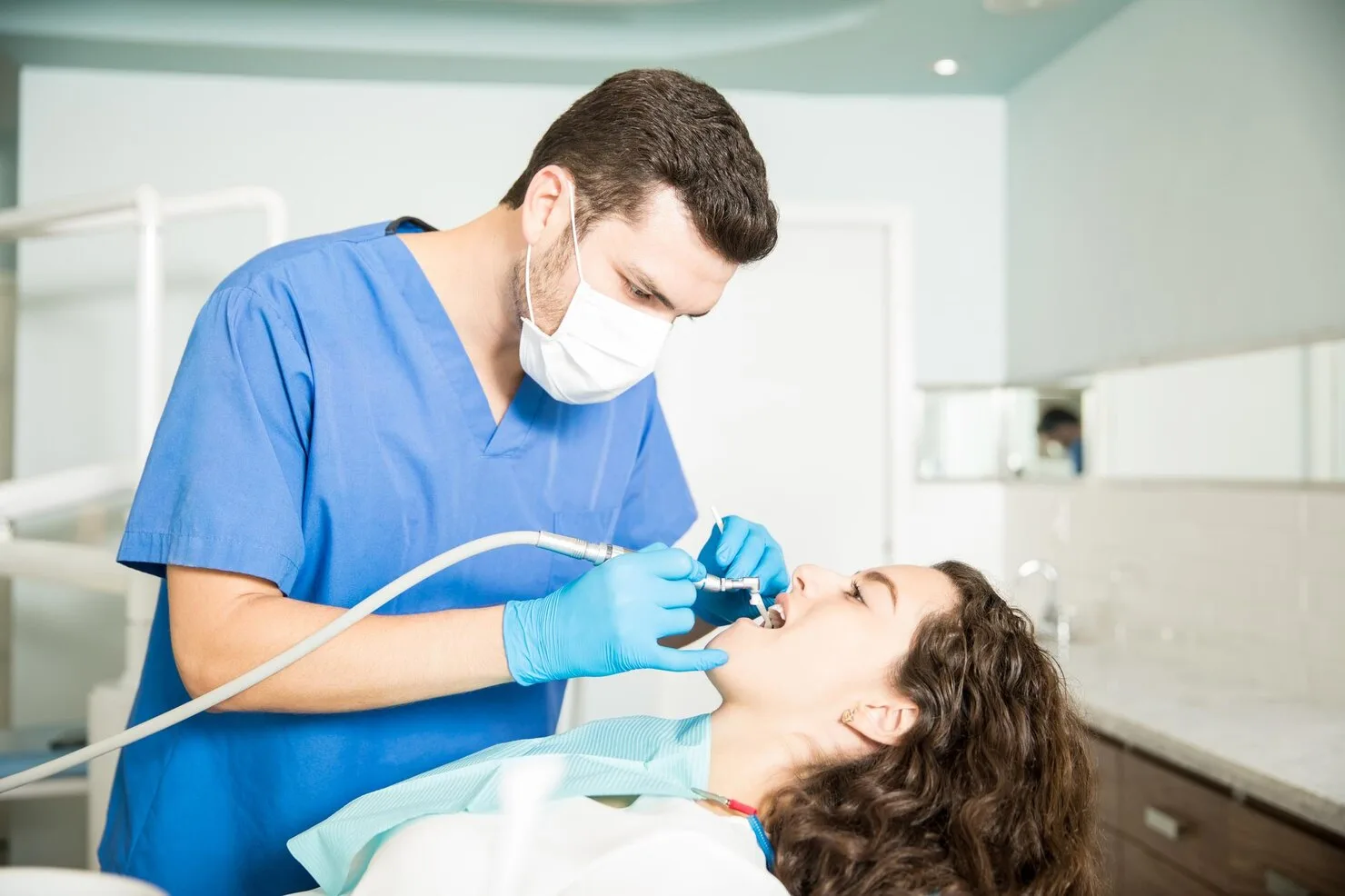
Jaw and bite disorders refer to conditions where the upper and lower jaws do not align properly or the teeth fail to establish an ideal contact relationship. Medically known as malocclusion, this condition can affect both tooth alignment and chewing function.
These disorders may be congenital or may develop due to habits and environmental factors during growth.
What Is Bite (Occlusion)?
Bite, or occlusion, describes how the upper and lower teeth come into contact when the mouth is closed. In a healthy bite, teeth meet in a balanced way and the jaw joint functions harmoniously.
Disruption of this balance can lead to various bite problems.
Why Do Jaw and Bite Disorders Occur?
Multiple factors may contribute to the development of these conditions.
These include genetic factors, imbalances in jaw development, habits such as thumb sucking or tongue thrusting, early tooth loss, and improper eruption of teeth.
Such factors can affect the harmony between the jaws and teeth.
Common Types of Bite Disorders
Jaw and bite disorders can present in different forms.
These may include a retruded or protruded lower jaw, excessive overlap of upper teeth over lower teeth (deep bite), lower teeth positioned in front of upper teeth (crossbite), spacing or crowding between teeth, and side-to-side bite discrepancies.
These conditions can affect both aesthetics and function.
What Symptoms Can Be Noticed?
Bite disorders may not always be obvious, but certain signs can be observed.
These include difficulty during chewing, irregular tooth appearance, discomfort when opening and closing the jaw, changes in speech, and sounds or pain in the jaw joint.
Such symptoms may require evaluation.
How Are Jaw and Bite Disorders Evaluated?
Evaluation of these disorders is not limited to tooth alignment alone.
The alignment of teeth is examined, the relationship between the upper and lower jaws is analyzed, bite contact points are assessed, and jaw movements are observed.
These analyses help identify the underlying cause of the problem.
What Should Be Considered in Daily Life?
Certain habits are important for maintaining jaw and bite health.
Avoiding one-sided chewing, being aware of teeth clenching or grinding, maintaining proper oral hygiene, and attending regular dental check-ups all support oral balance.
Does Every Case Require Treatment?
Not every bite disorder requires active treatment. Some cases may only need monitoring.
The severity of the condition is evaluated, functional effects are assessed, and planning is based on individual needs.
Therefore, the approach is individualized for each patient.
Frequently Asked Questions
Can bite disorders correct themselves?
Some mild cases may change during growth, but most require monitoring.
Do jaw disorders cause pain?
In some cases, discomfort in the jaw joint may occur.
Can they be detected early in children?
Yes, early evaluation is possible.
Do they affect speech?
Some bite problems may influence speech.