
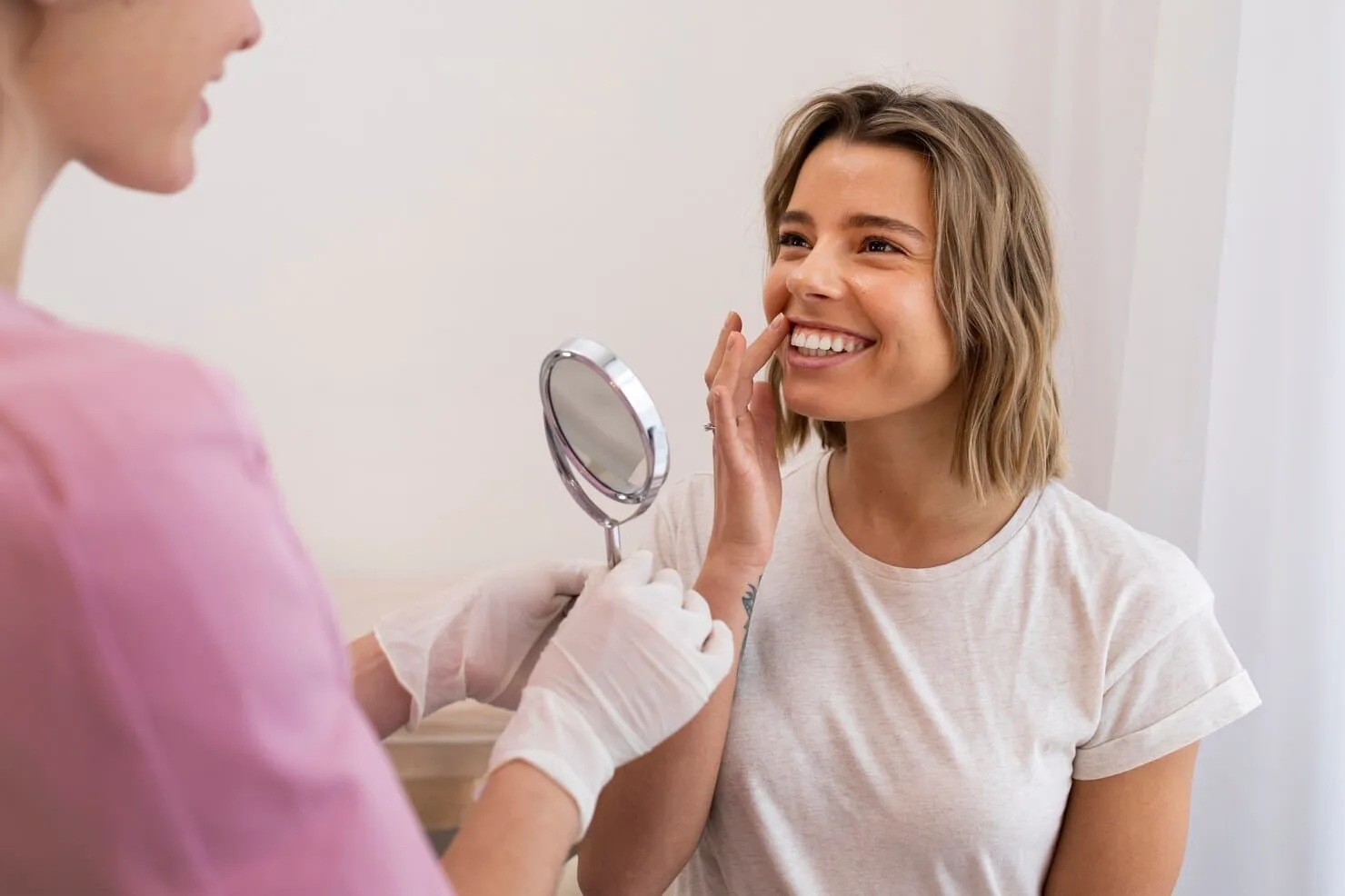
In oral and dental health, some conditions may affect both function and appearance. Restorative and aesthetic applications include approaches aimed at repairing substance loss in teeth and restoring a natural appearance.
These applications are evaluated not only for aesthetic concerns but also for maintaining chewing, speech, and overall oral integrity. The aim is to support the tooth as close as possible to its natural structure.
What Do Restorative Applications Include?
Restorative procedures involve applications aimed at replacing lost tooth structure. These losses may occur due to decay, fractures, or wear.
Filling cavities after cleaning tooth decay
Reshaping broken or worn tooth structures
Preserving tooth form and integrity
These applications play an important role in maintaining the function of the tooth.
What Do Aesthetic Applications Aim For?
Aesthetic dental applications focus on making the appearance of teeth more natural and balanced. Elements such as color, form, and alignment form the basis of this process.
Balancing differences in tooth color
Adapting tooth form to facial structure
Correcting gaps between teeth
Enhancing smile aesthetics
These applications are planned by considering the individual’s facial structure and natural tooth characteristics.
How Are Restorative and Aesthetic Approaches Evaluated Together?
In some cases, only a functional or only an aesthetic approach may not be sufficient. Therefore, both areas can be addressed together.
For example:
A broken tooth is evaluated both functionally and aesthetically
Worn tooth surfaces are both protected and aesthetically improved
This comprehensive approach contributes to both healthy and harmonious teeth.
Who Is It Suitable For?
Restorative and aesthetic applications can be considered for individuals with different needs.
People with broken, worn, or structurally compromised teeth
Individuals with differences in tooth color or form
Those seeking harmony in smile aesthetics
People experiencing difficulty in daily functions (such as chewing)
Since each individual has different needs, planning is done through personalized evaluation.
How Is the Treatment Process Planned?
In such applications, the first step is a detailed examination of the oral condition. Tooth structure, gum health, and overall oral balance are evaluated together.
During the planning process:
Existing tooth structure is preserved as much as possible
Unnecessary interventions are avoided
Natural appearance is prioritized
This approach supports long-term sustainability of oral health.
Frequently Asked Questions
Are restorative and aesthetic applications the same?
No. Restorative applications focus on function, while aesthetic applications focus on appearance. However, they are often evaluated together.
Are these procedures only for aesthetic purposes?
No. Many applications are performed to meet both functional and aesthetic needs.
Can the natural tooth structure be preserved?
The aim is to preserve natural tooth tissue as much as possible during planning.
Is the same treatment applied to everyone?
No. Applications are planned individually based on each person’s oral structure and needs.